


Poland is a country rich in history, traditions, and national symbols that have shaped its identity for centuries. These symbols reflect the country’s values, culture, and resilience. For visitors, understanding them provides a deeper insight into what makes Poland unique. Here are five symbols deeply rooted in Polish traditions:
1. The White and Red Flag
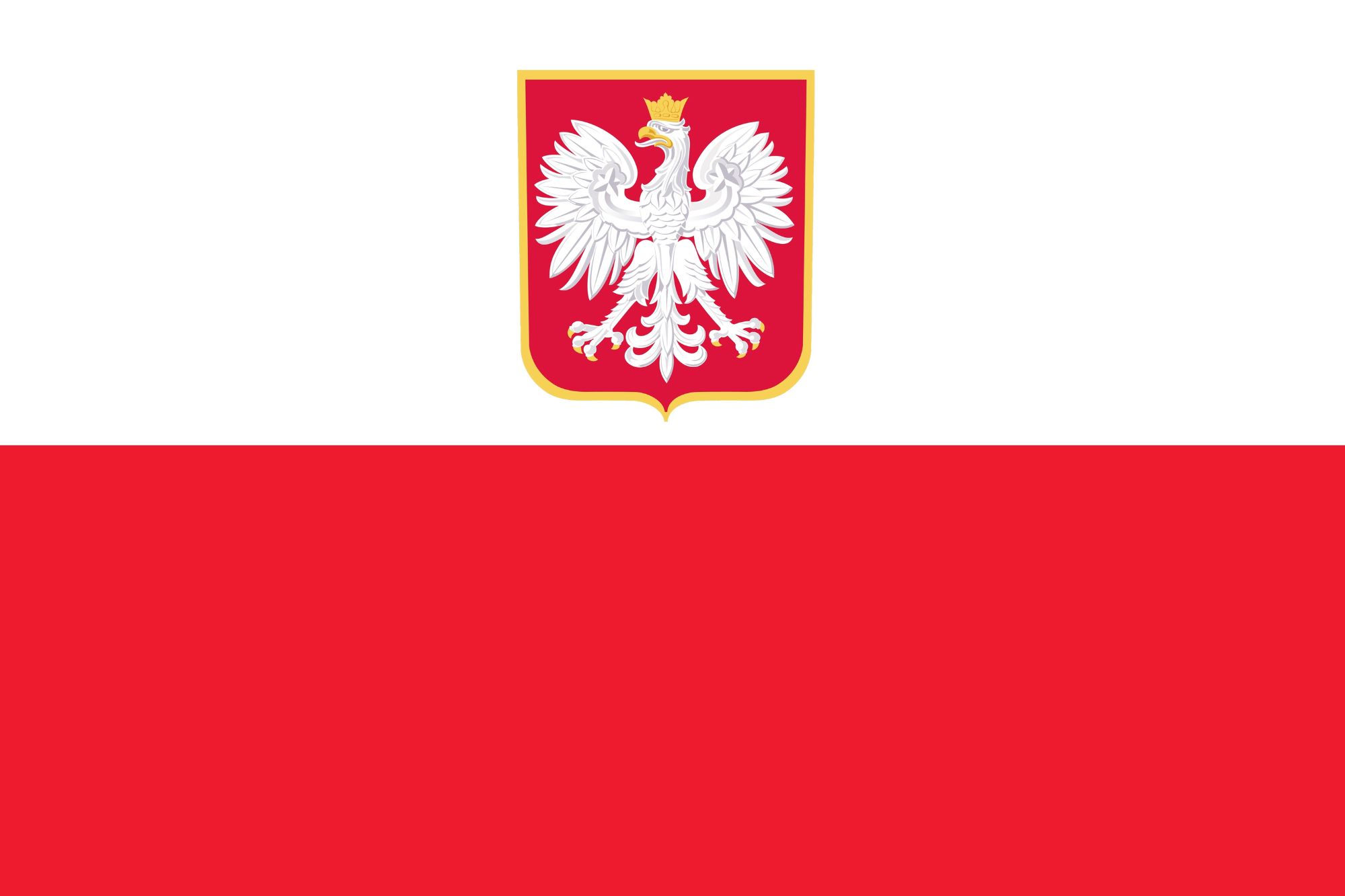
Poland’s flag consists of two horizontal stripes—white on top and red on the bottom. White symbolizes purity, while red represents bravery and strength. The flag is proudly displayed during national holidays, such as Flag Day on May 2, when Poles decorate homes, streets, and public buildings to express their patriotism and unity.
2. The White Eagle
Poland’s national emblem features a white eagle wearing a golden crown against a red background. This symbol dates back to the early Polish rulers of the Piast dynasty and represents strength, freedom, and national pride. The eagle is present on official buildings, documents, and even Polish currency, reinforcing its role as a timeless emblem of sovereignty.
3. Christmas Eve Traditions
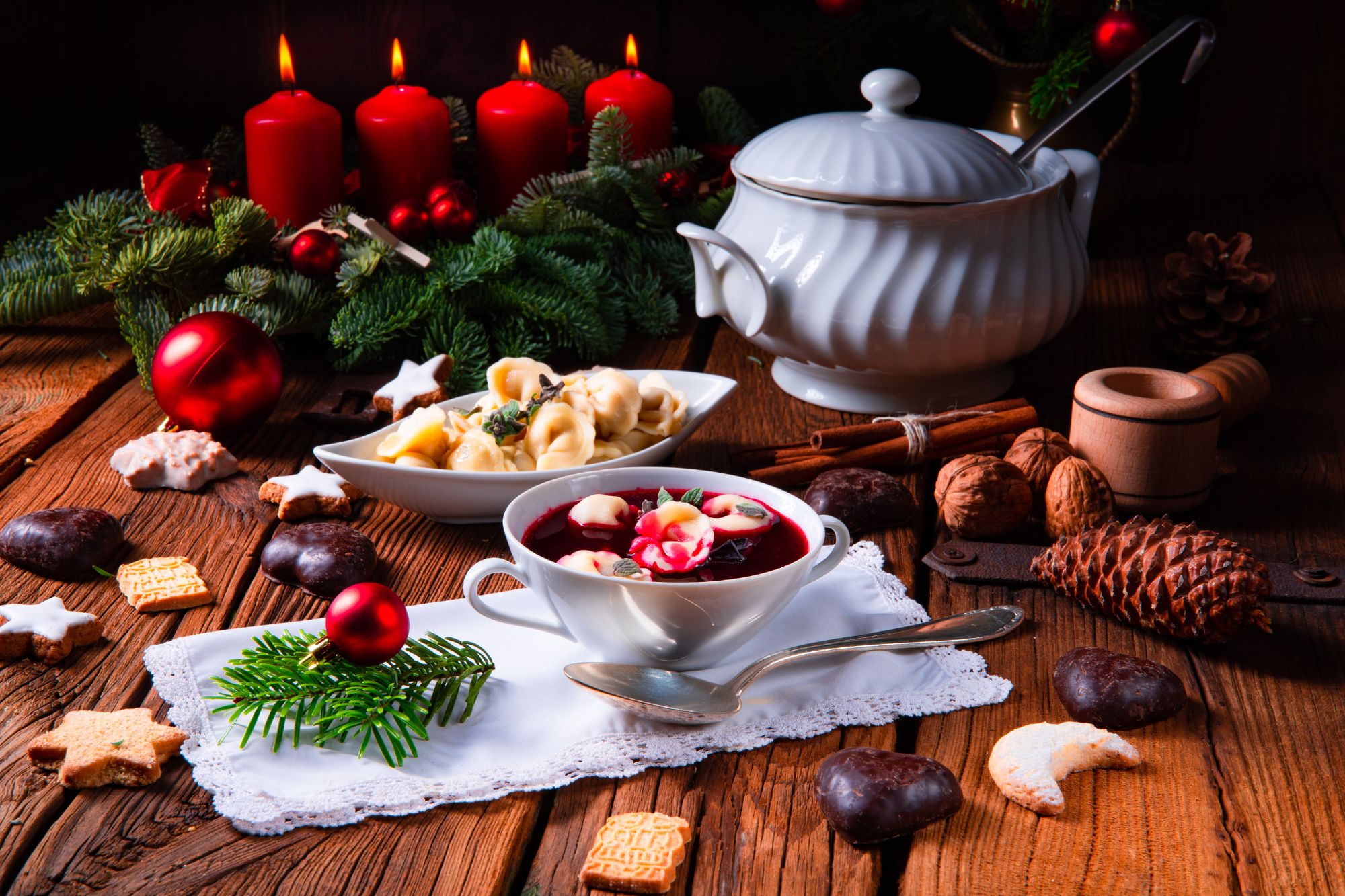
Christmas Eve, known as Wigilia, is one of Poland’s most cherished traditions. Families gather for a festive supper that begins with breaking and sharing opłatek (a wafer), symbolizing unity and goodwill. The meal consists of 12 traditional dishes, such as barszcz with uszka, pierogi, and carp, while an extra seat is left at the table for an unexpected guest. These customs reflect Poland’s deep sense of hospitality and family values.
4. Polish Hospitality
Hospitality is a defining feature of Polish culture. Guests are warmly welcomed, and meals are generously served, often with the phrase, “Eat, eat, or it will go to waste!” Whether during family gatherings or major celebrations, Poles take pride in making visitors feel at home, ensuring they are well-fed and cared for.
5. The Polonaise – Poland’s National Dance
The polonez is a traditional Polish dance that dates back to the 17th century. Once a favorite of Polish nobility, it remains a symbol of grace and national heritage. Today, it is performed at important events, such as studniówka (prom before final exams) and official state ceremonies. Its dignified, flowing steps reflect Poland’s cultural elegance and historical depth.
Poland’s national symbols and traditions play a crucial role in shaping its cultural identity. Whether through patriotic emblems, cherished celebrations, or heartfelt hospitality, these elements continue to unite generations and showcase Poland’s rich heritage. Understanding them offers a glimpse into the values that Poles hold dear—courage, community, and deep respect for tradition.
0 Comment