

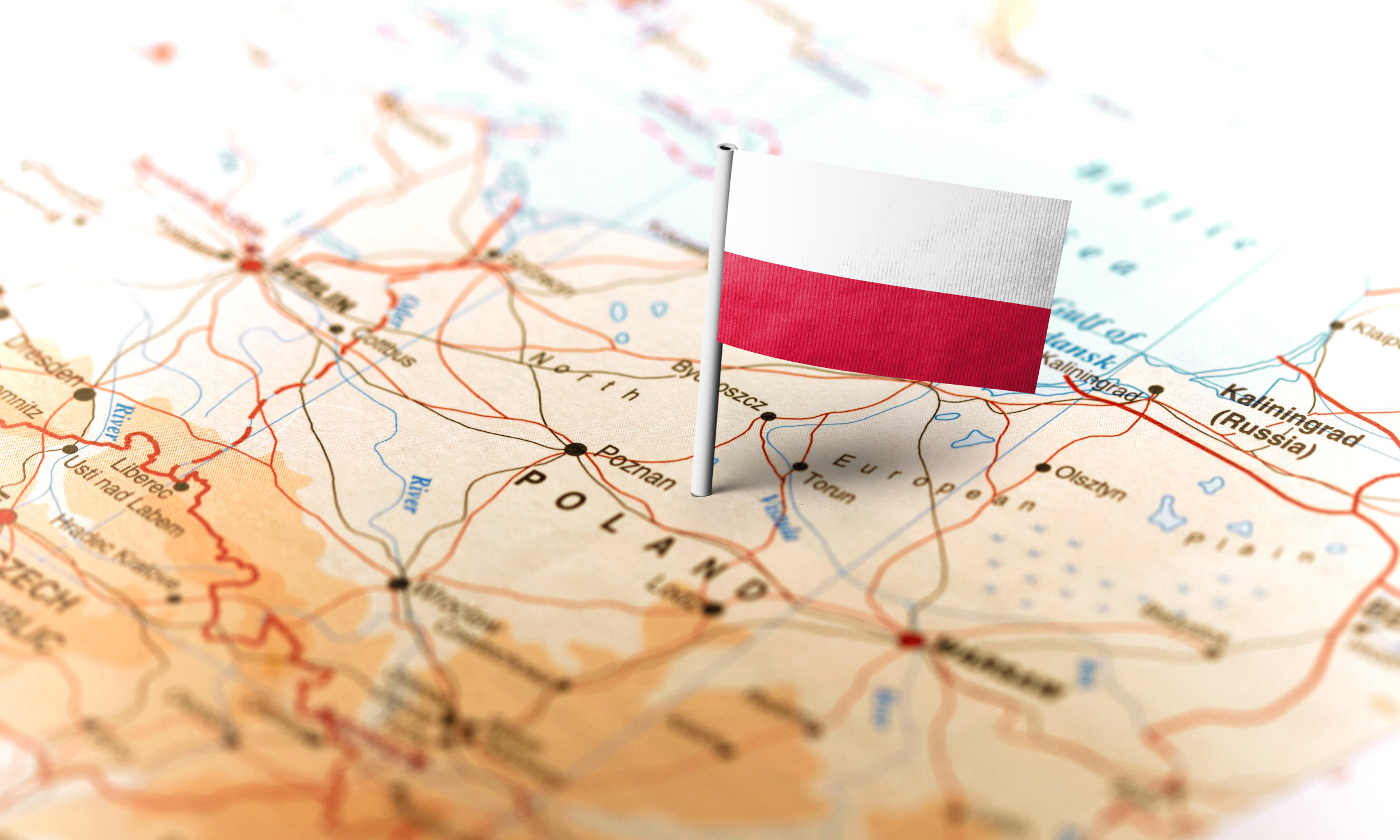

History and culture of Poland
Poland, located in Central Europe, has a history stretching back over a thousand years. The country was officially established in 966 AD when Duke Mieszko I converted to Christianity. During the 14th century, Poland united with Lithuania, creating one of Europe’s most powerful unions. The 16th century marked Poland’s Golden Age, characterized by cultural and scientific prosperity.
In the late 18th century, Poland was partitioned and disappeared from the map, divided between Russia, Prussia, and Austria. It regained independence in 1918 after World War I. The interwar period was one of rebuilding, but World War II brought immense destruction and tragedy, including the Holocaust.
After the war, Poland fell under Soviet influence, becoming part of the Eastern Bloc until 1989 when communism collapsed. Poland then became a democratic state and joined NATO in 1999 and the European Union in 2004.
Images:
1.  Baptism of Poland in 966
2.  Battle of Grunwald (1410)
3.  Solidarity movement and the fall of communism
Polish Culture
Polish culture is diverse and rich, shaped by historical events and various ethnic groups. Music, dance, literature, and art play significant roles in Polish life.
Music:
•   Frédéric Chopin: one of the greatest Romantic composers.
•   Folk music: traditional dances like the polonaise, mazurka, and krakowiak.
Literature:
•   Prominent writers include Adam Mickiewicz, Juliusz Słowacki, and Henryk Sienkiewicz.
•   Contemporary literature features Nobel laureates Wisława Szymborska and Olga Tokarczuk.
Art:
•   Polish art boasts a rich heritage in painting, sculpture, and architecture.
•   Notable artists include Jan Matejko, Stanisław Wyspiański, and Józef Chełmoński.
Folklore:
•   Polish folk culture is rich with traditions, customs, and rituals. Traditional costumes, handicrafts, and foods are crucial elements of national culture.
•   Holidays like Christmas and Easter have unique traditions, such as the Christmas Eve feast with twelve dishes and the blessing of Easter baskets.
Images:
1.  Frédéric Chopin
2.  Traditional folk costumes
3.  Colorful tenement houses in the Old Town
0 Comment